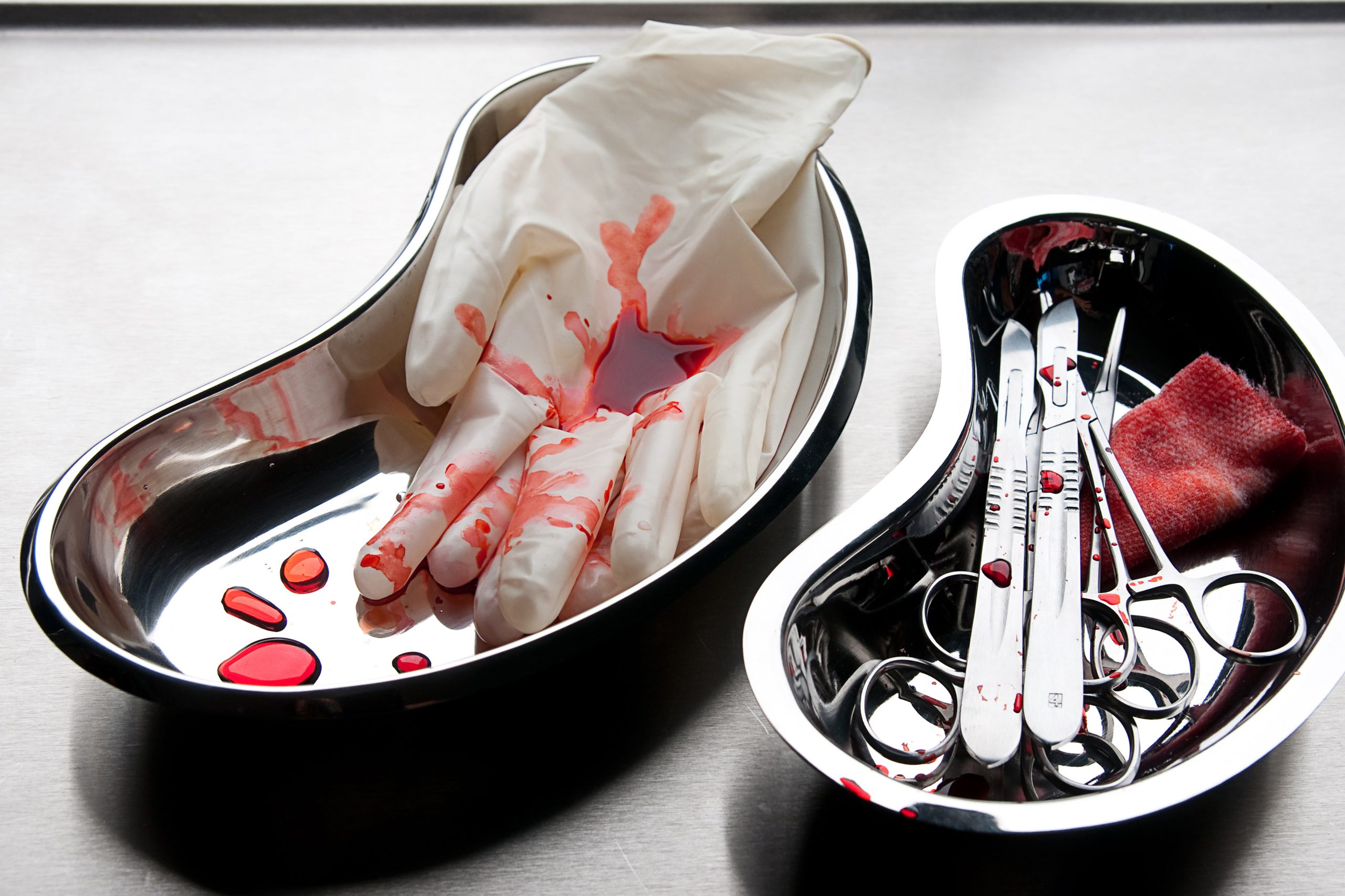
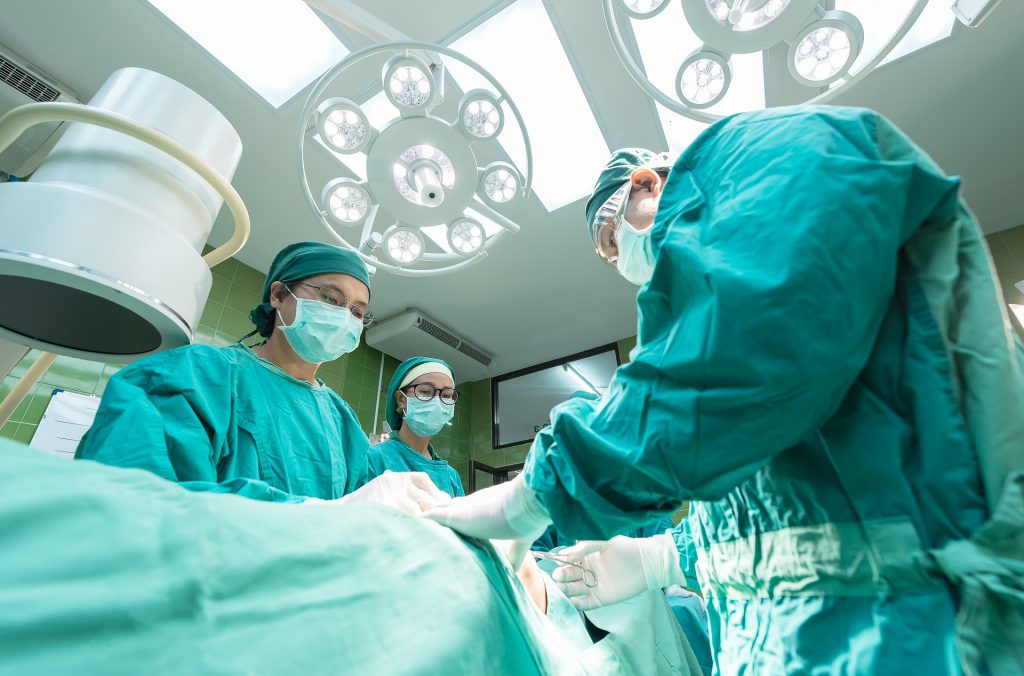
Sharp injuries has always been a concern in the healthcare industry and in particular, nurses. Nurses are at high risk of being exposed to sharps, including needles, scalpels, and other sharp objects, in their daily work routines. This can result in serious and potentially life-threatening injuries, as well as emotional and psychological trauma. In this blog, we will examine the causes and consequences of sharp injuries in nurses and discuss ways to prevent and mitigate these injuries.
Sharps cuts remain one of most common and dangerous injuries that face nurses. This is a major threat to the safe working environment that we want for nurses and health care workers. In the USA alone, the CDC reports that 385,000 sharps injuries occur to hospital-based health care workers each year.
How Nurses Get A Sharps Injury
The main causes of sharp injuries in nurses include improper disposal of sharps, using sharps improperly, and being in close proximity to sharps during medical procedures. For example, nurses may accidentally cut themselves with used scalpels when disposing of them or may be inadvertently exposed to sharps while caring for patients.
Consequences of Sharps Injuries
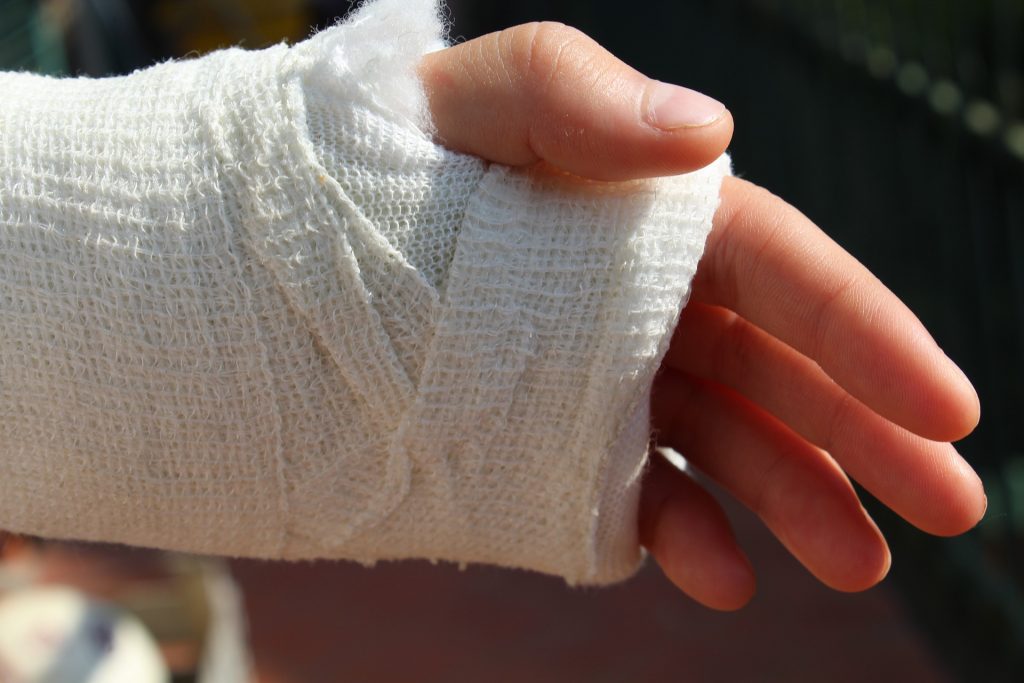
The consequences of sharp injuries in nurses can be severe and long-lasting. Physically, sharp injuries can cause deep wounds and increase the risk of infection, particularly if the sharp object was contaminated with bloodborne pathogens such as hepatitis B, hepatitis C, or HIV. Emotionally, sharp injuries can cause significant distress and anxiety, leading to long-term psychological effects such as post-traumatic stress disorder (PTSD).
In addition to the personal consequences of sharp injuries, there are also broader consequences for the healthcare industry. Sharp injuries can lead to lost workdays, which can impact the income and job security of affected nurses. Additionally, sharp injuries can increase healthcare costs for both the individual nurse and the healthcare organization, as the nurse may require medical treatment and rehabilitation and the organization may need to pay for the cost of treatment and any associated legal fees.
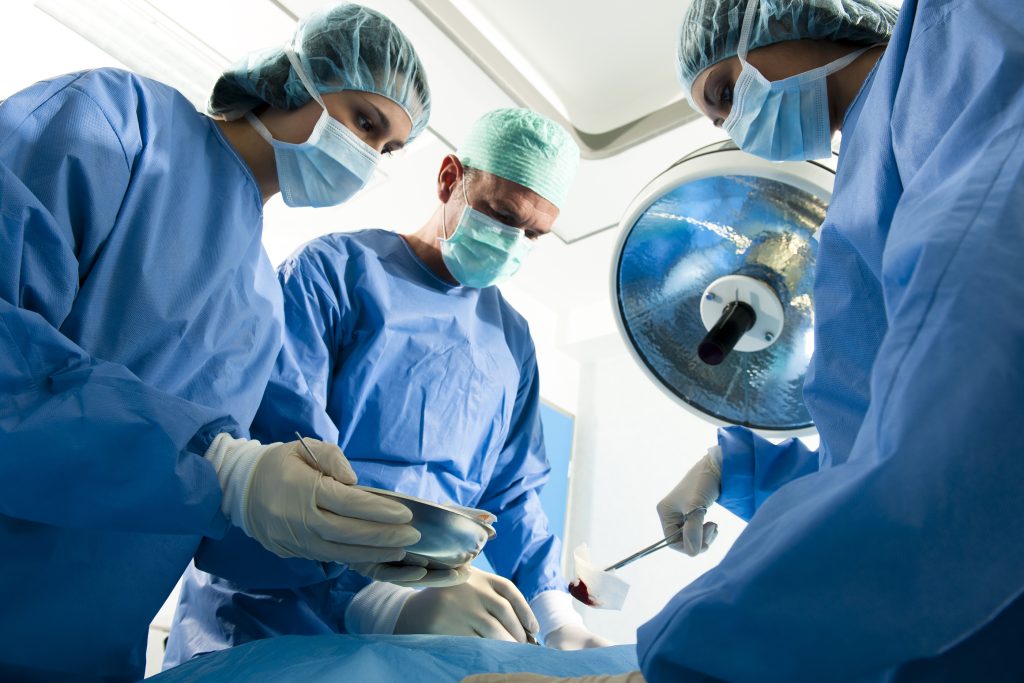
Preventing Sharps Injuries in Nurses
To prevent sharp injuries, healthcare organizations must implement effective sharps safety measures. This can include using safety-engineered devices, such as single-handed scalpel blade removers, and providing education and training on safe sharps handling techniques. In addition, healthcare organizations should develop and enforce policies and procedures to ensure that sharps are handled and disposed of properly.
Using the Hierarchy of Controls to Prevent the Rise in Sharps Injuries
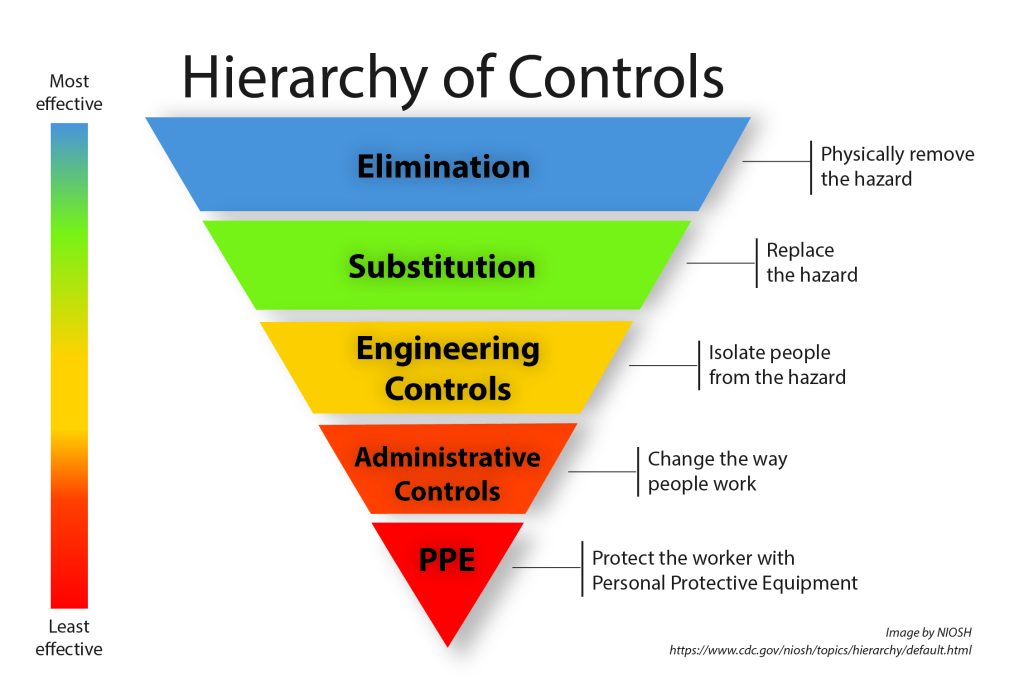
Originally developed by the National Institute for Occupational Safety and Health (NIOSH) in the USA, the Hierarchy of Controls is now mandated in workplace safety legislation and regulations throughout Australia and across the world. The hierarchy establishes five levels of hazard control measures, which are prioritised according to their effectiveness.
Unfortunately, facilities tend to focus on administrative controls and PPE, as they appear easier and cheaper to implement.
Engineering Controls with Sharps Safety Devices
In the Hierarchy of Controls, hospitals and healthcare facilities should provide safety engineered devices to prevent the increased sharps injuries being seen. Although most effective, eliminating and substituting a device is not always feasible, which is particularly the case in surgical settings. Sharps such as scalpels are required to make incisions for surgeon access, and engineering controls are the most effective control measure available.
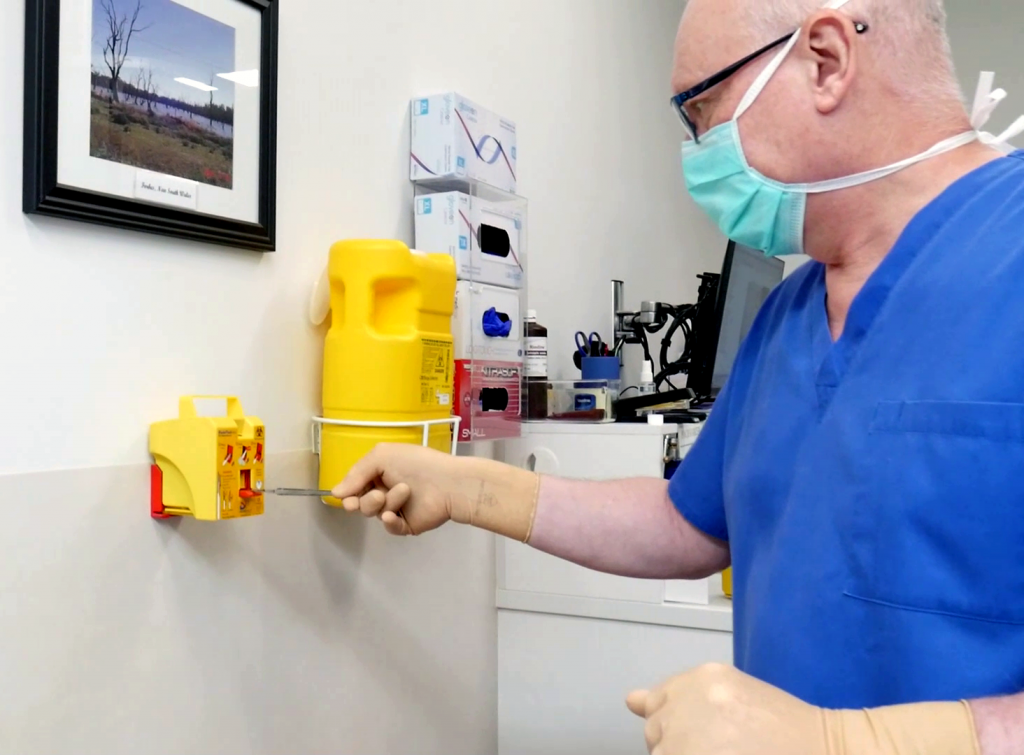
Specifically, engineering controls incorporate safety mechanisms designed to either isolate or remove the hazard from the environment. Engineering Controls against sharps injuries include safety-engineered devices such as scalpel blade removers and spring-loaded safety syringes. A scalpel blade remover that also contains the used scalpel blade also protects downstream staff like cleaners from injuries. It’s also important that staff are trained in how to correctly use the safety device and all sharps control measures in place.
In conclusion, sharp injuries is a serious issue that must be addressed in the healthcare industry, especially with nurses. By taking steps to prevent sharp injuries, healthcare organizations can create a safer and healthier workplace for their workers and improve patient safety. Additionally, by providing support for nurses who have been affected by sharp injuries, healthcare organizations can help to mitigate the personal and professional consequences of these injuries.