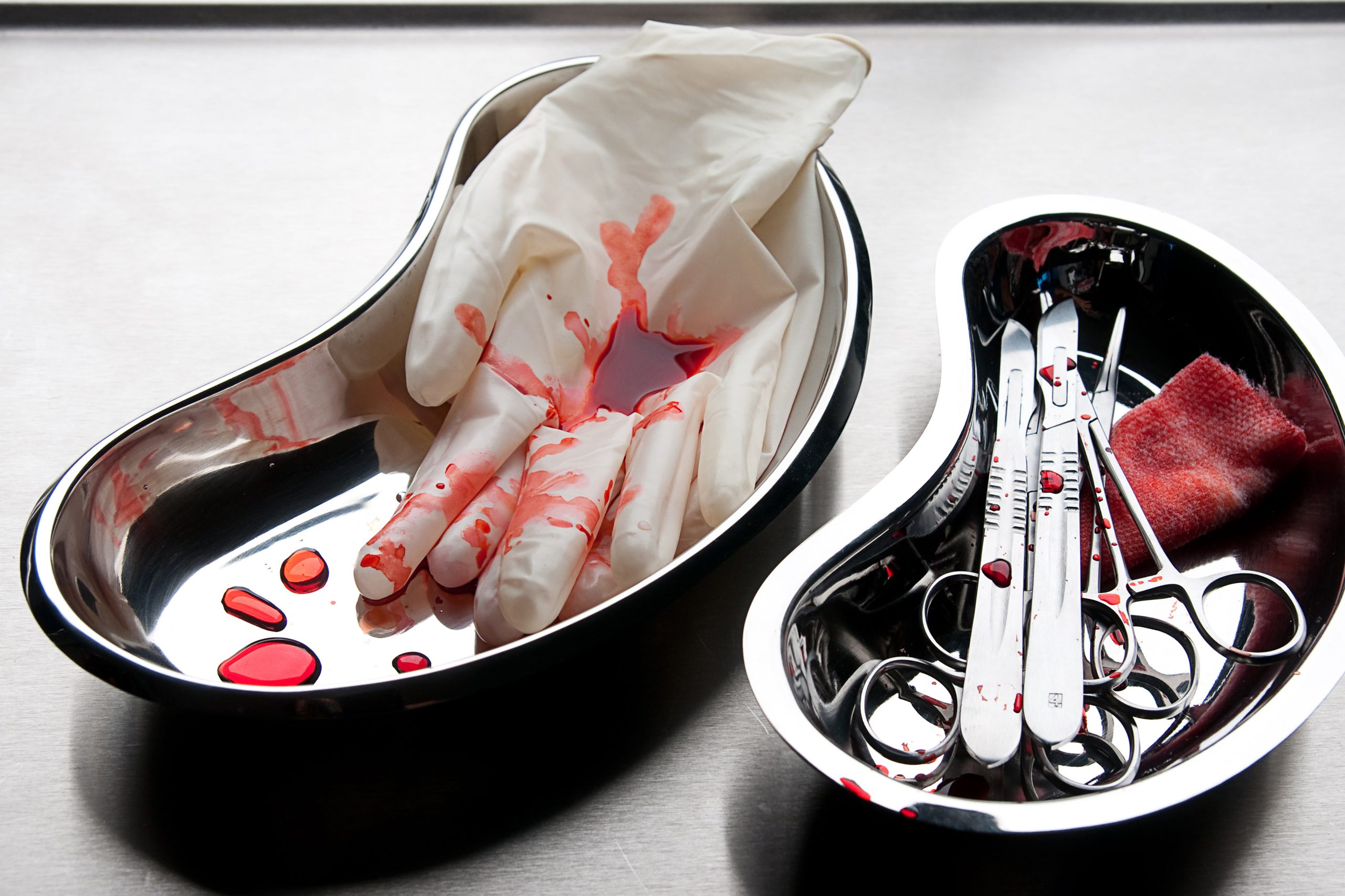

Scalpel injuries, often categorized under the broader umbrella of sharps injuries, represent a significant and persistent occupational hazard within the medical field. Despite advancements in safety protocols and equipment, these preventable incidents continue to pose substantial risks to healthcare professionals, ranging from minor lacerations to life-threatening infections. This essay will explore the prevalence, causes, consequences, and multifaceted prevention strategies associated with scalpel injuries, emphasizing the critical need for a comprehensive approach to safeguard the well-being of medical personnel.

The incidence of sharps injuries, including those from scalpels, remains alarmingly high globally. Studies consistently highlight surgical settings as particularly high-risk environments, where the dynamic nature of procedures, the presence of numerous sharp instruments, and high-pressure situations converge to increase the likelihood of accidental punctures or cuts. Common scenarios leading to scalpel injuries include passing instruments, suturing, handling contaminated sharps, and improper disposal. Beyond procedural factors, systemic issues such as inadequate staffing leading to fatigue, insufficient training on safety devices, and a lack of adherence to established safety protocols contribute significantly to the risk profile. The design of traditional scalpels, with their exposed, razor-sharp blades, inherently contributes to their hazardous nature, making them a primary focus for injury prevention efforts.
The consequences of scalpel injuries extend far beyond the immediate physical trauma. Physically, injuries can range from superficial nicks to deep lacerations requiring sutures or even surgical repair, potentially leading to temporary or permanent disability. However, the most profound and anxiety-inducing consequence is the potential for transmission of bloodborne pathogens, including Hepatitis B Virus (HBV), Hepatitis C Virus (HCV), and Human Immunodeficiency Virus (HIV). While the risk of transmission varies for each pathogen, the emotional and psychological burden associated with potential exposure, including the anxiety of waiting for test results and the prospect of lifelong treatment, can be debilitating. Furthermore, these injuries incur significant financial costs, encompassing immediate medical care, post-exposure prophylaxis (PEP), follow-up testing, and lost workdays, placing a considerable strain on healthcare systems and individual professionals.

Addressing the challenge of scalpel injuries necessitates a multi-pronged prevention strategy that integrates engineering controls, administrative controls, and work practice controls. Engineering controls are paramount, focusing on modifying the work environment and equipment to eliminate or reduce hazards at the source. The development and widespread adoption of single-handed scalpel blade removers have been instrumental in this regard. Similarly, blunt-tip suture needles, while not directly scalpels, reduce the overall sharps burden in surgical fields. The implementation of hands-free passing techniques and the consistent use of designated, puncture-resistant sharps disposal containers are also critical engineering solutions.
Administrative controls involve the establishment of robust policies, procedures, and a strong safety culture. Comprehensive training programs are essential, not only for new staff but also for ongoing education, ensuring all personnel are proficient in the safe handling, use, and disposal of scalpels and other sharps. Promoting a culture where reporting of all sharps injuries is encouraged, without fear of reprisal, is vital for accurate surveillance and continuous improvement. Adequate staffing levels and reasonable work hours can mitigate fatigue, a known risk factor for errors. Work practice controls focus on individual behaviours and techniques. The “neutral zone” technique, where sharps are placed in a designated area for retrieval rather than directly passed hand-to-hand, significantly minimizes the risk of accidental injury during instrument transfers.
Regulatory bodies and professional organizations play a crucial role in mandating and promoting these safety measures. Compliance with occupational safety regulations, coupled with internal hospital policies, forms the backbone of injury prevention. Ethically, healthcare institutions bear a profound responsibility to provide a safe working environment for their employees, recognizing that the health and safety of healthcare workers are inextricably linked to the quality and safety of patient care.

Scalpel injuries remain a significant occupational health concern in the medical field, with far-reaching consequences for individual healthcare professionals and healthcare systems alike. While the elimination of all sharps injuries may be an ambitious goal, a concerted and continuous effort combining innovative engineering controls, stringent administrative policies, and diligent work practice controls is imperative. By fostering a proactive safety culture, investing in safer technologies, and ensuring comprehensive training, the medical community can significantly reduce the incidence of scalpel injuries, thereby protecting its invaluable workforce and upholding the highest standards of occupational safety and patient care.